What Is the Red Seal Program?
What Is the Red Seal Program in Canada? A Complete Guide to Certification, Costs, Timeline, and Immigration Benefits
If you’re planning to work or immigrate to Canada, you’ve probably come across the term Red Seal at some point.
Canada has a strong demand for skilled trades, including electricians, plumbers, welders, automotive service technicians, carpenters, and cooks.
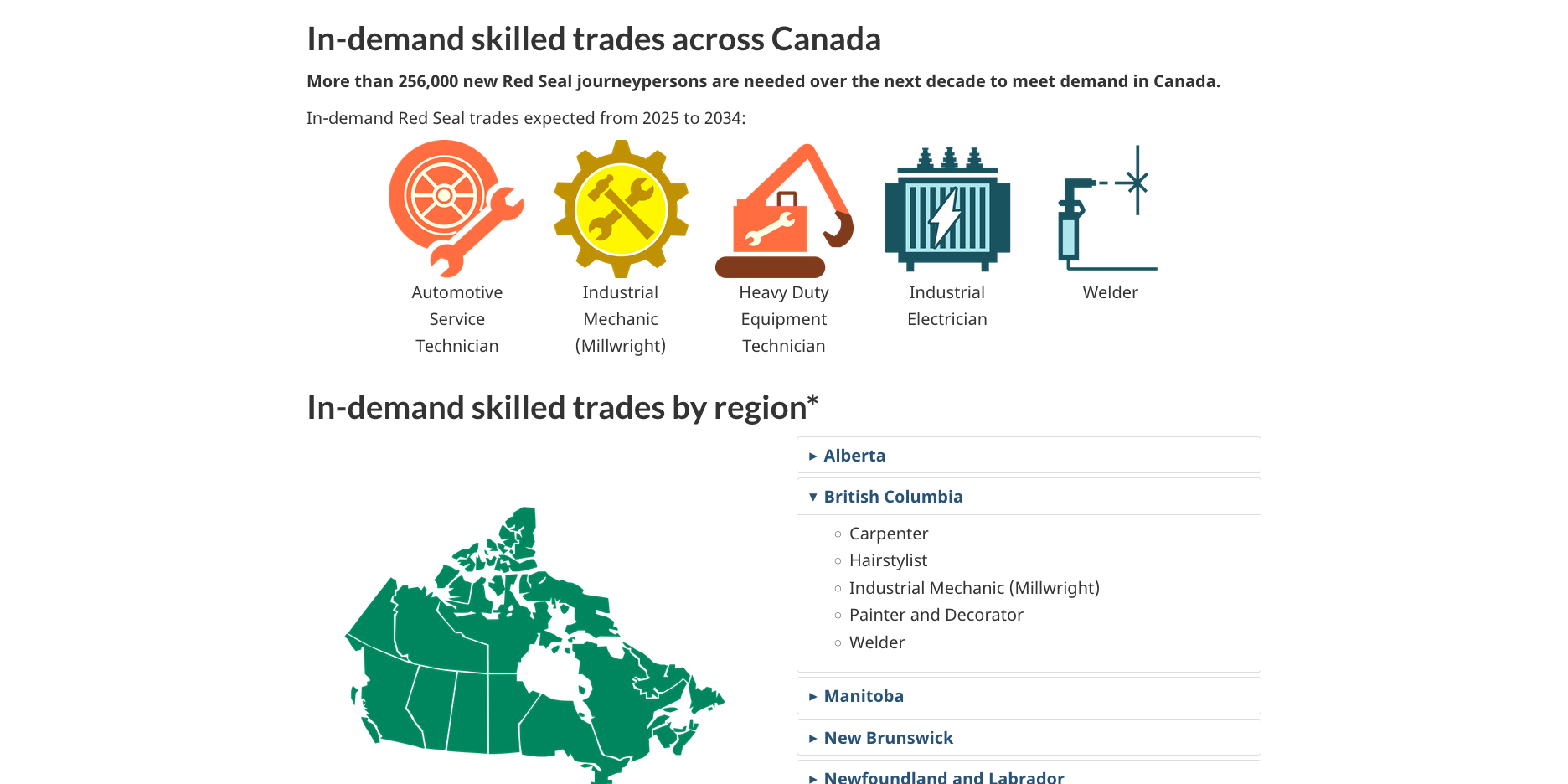
According to the Government of Canada, more than 256,000 new Red Seal journeypersons will be needed between 2025 and 2034 to meet labour market demands.
Several factors are driving this demand, including the retirement of the baby boomer generation, increased housing construction, infrastructure investment, a growing preference among younger generations for university education, and an ongoing shortage of skilled trades workers.
What is the Red Seal Program?

The Red Seal Program is Canada’s national certification standard for skilled trades. Rather than being just another trade certificate, it serves as a nationally recognized credential that demonstrates a tradesperson has met the industry standard across Canada.
For those considering immigration, the program offers another important advantage. A Certificate of Qualification, including one with a Red Seal endorsement, may contribute up to 50 additional CRS points under Express Entry when combined with eligible language scores. This makes Red Seal valuable not only for career development but also as part of an immigration strategy.
One important point to understand is that Red Seal is not usually something you obtain before starting your career.
Instead, it is generally the final step after gaining hands-on work experience and completing formal apprenticeship training.
This is one of the biggest differences between Canada and many other countries.
In many places, people earn a trade certificate before entering the workforce. In Canada, however, most skilled tradespeople begin working as Apprentices, gain practical experience, complete technical training, and then challenge the Red Seal examination.
Major Trades Included in the Red Seal Program
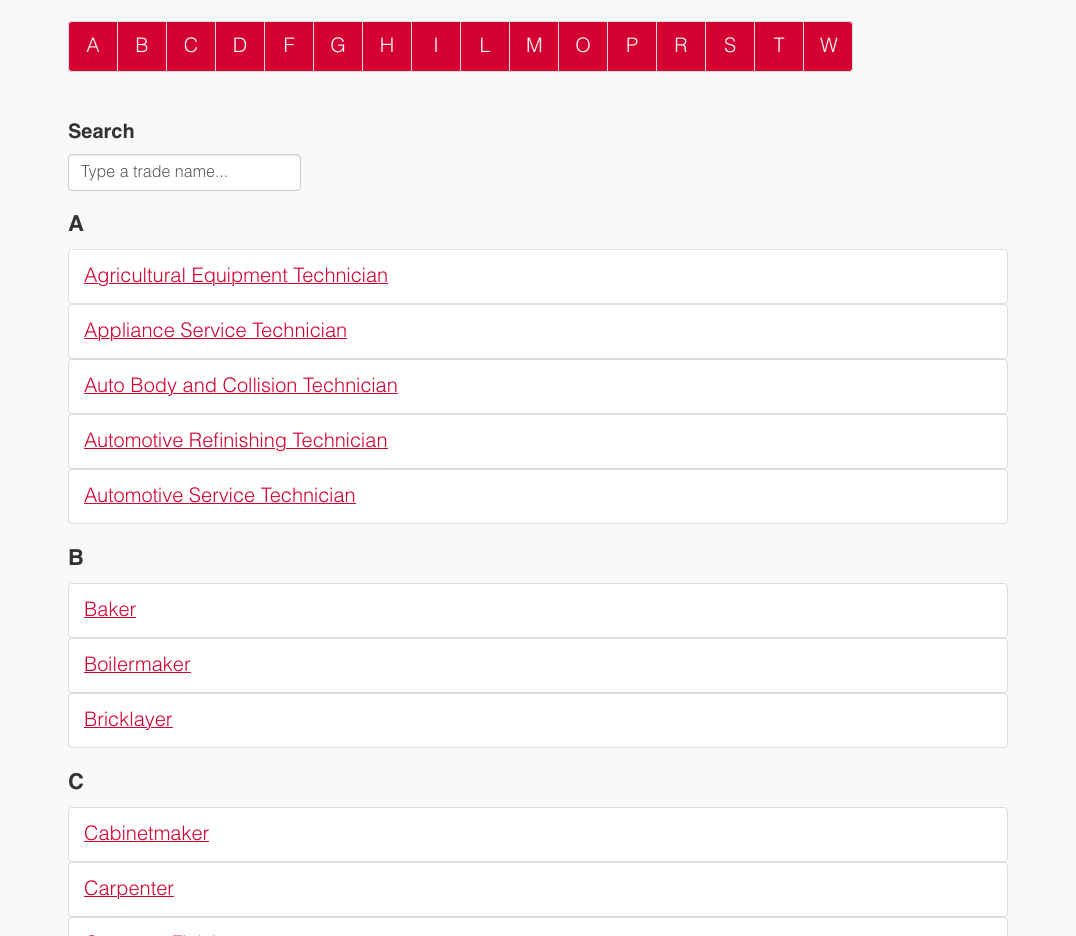
The Red Seal Program covers more than 50 designated skilled trades across Canada. Some of the most common include:
|
Category |
Representative Red Seal Trades |
|---|---|
|
Construction & Infrastructure |
Carpenter, Construction Electrician, Plumber, Roofer, Bricklayer |
|
Automotive & Mechanical |
Automotive Service Technician, Auto Body and Collision Technician, Truck and Transport Mechanic |
|
Industrial & Manufacturing |
Welder, Machinist, Industrial Mechanic (Millwright), Boilermaker |
|
Food & Service |
Cook, Baker, Hairstylist |
|
Heavy Equipment & Transportation |
Heavy Duty Equipment Technician, Agricultural Equipment Technician |
How Do You Become Red Seal Certified?
The most common pathway is through an Apprenticeship.
An
apprenticeship is not simply a classroom program. Instead, apprentices
work for an employer, earn wages, and complete technical training
throughout their apprenticeship.
The general process looks like this:
1. Choose a trade
2. Find an employer or sponsor
3. Register as an Apprentice
4. Gain the required work experience
5. Complete each level of technical training
6. Finish the apprenticeship
7. Obtain a Certificate of Qualification
8. Challenge the Red Seal examination
9. Receive your Red Seal endorsement
In simple terms:
Choose a Trade → Become an Apprentice → Gain Work Experience → Complete Technical Training → Become a Journeyperson → Pass the Red Seal Exam → Earn Your Red Seal
One important factor throughout this process is your sponsoring employer.
Unlike many certification systems, the Red Seal Program is not designed for people to study independently and simply write an exam. Employers play an essential role by providing supervised workplace training and helping apprentices accumulate the required experience.
For complete beginners, the most realistic approach is often to start in entry-level positions such as Apprentice, Helper, Labourer, or Trainee, rather than aiming directly for the Red Seal examination.
Common Pathways to Red Seal Certification
There is no single route to becoming Red Seal certified. Most people follow one of these four pathways.1. High School Pathway
Many Canadian students begin exploring skilled trades while still in high school through trades programs, work experience placements, or youth apprenticeship opportunities. After graduation, they enter an apprenticeship and eventually earn their Red Seal certification.
2. College Foundation Programs
Those who cannot immediately secure an apprenticeship often enroll in Foundation or Pre-Apprenticeship programs at colleges such as BCIT or VCC.
These programs provide introductory technical knowledge and workplace safety training before students apply for apprenticeship positions.
For newcomers looking to change careers after moving to Canada, this is one of the most common starting points.
3. Helper or Labourer Route
Another practical pathway is starting as a helper or labourer.
Many people begin as construction labourers, shop helpers, kitchen helpers, mechanic helpers, or welding helpers. By demonstrating strong work ethic and reliability, they may eventually receive sponsorship from their employer to register as an apprentice.
4. Experienced International Tradespeople
If you already have experience in welding, automotive repair, cooking, baking, electrical work, plumbing, carpentry, or another skilled trade outside Canada, you may qualify through the Trade Qualifier or Challenge Exam pathway.
According to SkilledTradesBC, experienced workers may be eligible to challenge the certification examination after providing evidence of sufficient hands-on experience along with supporting documentation from employers.
How Long Does It Take and How Much Does It Cost?
The amount of time required to earn a Red Seal certification depends on the trade you choose. In general, however, most apprenticeships take approximatelyFor example:
- Cook: approximately 3 years
- Baker: approximately 3 years
- Welder: approximately 3 years
- Carpenter: approximately 4 years
- Automotive Service Technician: approximately 4 years
- Construction Electrician: approximately 4–5 years
- Plumber: approximately 4–5 years
It’s important to remember that this isn’t three to five years spent sitting in a classroom. Most of the apprenticeship consists of paid, on-the-job training, with technical training completed periodically throughout the program.
In other words, the Red Seal Program is a long-term career pathway rather than a short-term certification course.
The cost of obtaining a Red Seal certification also varies depending on the province, trade, school, and equipment required.
Typical expenses may include:
|
Item |
Estimated Cost |
|---|---|
|
Apprentice registration |
Varies by province |
|
Technical training tuition |
Approximately CAD $500–2,500 per level |
|
Examination or application fees |
Approximately CAD $100–250 |
|
Textbooks |
Approximately CAD $100–300 |
|
Safety equipment |
Approximately CAD $300–1,000 |
|
Personal tools |
Approximately CAD $500–3,000+, depending on the trade |
One of the biggest advantages of Canada’s apprenticeship system is that apprentices are generally paid while they learn.
Unlike traditional education systems where students spend several years paying tuition before entering the workforce, apprentices in Canada earn wages while gaining practical experience and completing technical training.
Although you’ll still need to budget for tuition, tools, and safety equipment, the apprenticeship model allows you to build your career while earning an income, making it a more financially sustainable pathway for many people.
In Conclusion
Earning a Red Seal certification is not easy.
However, for those planning to build a long-term career in Canada’s skilled trades, it is certainly a goal worth pursuing.
Red Seal can improve your employment opportunities, make it easier to work across provinces, and strengthen your immigration profile by contributing toward additional CRS points when eligible.
More importantly, it represents years of practical experience, technical training, and professional development.
If you have no prior experience, consider starting through a Foundation program or an entry-level helper position. If you already have relevant overseas experience, explore whether you qualify through the Trade Qualifier or Challenge Exam pathway. And if you’re already working in Canada, speak with your employer about registering as an apprentice.
The journey to Red Seal certification takes time, but for many skilled trades professionals, it is one of the most valuable investments they can make in their long-term career in Canada.

